Nepal A future in one’s home country: technical education instead of emigration

From the high peaks of the Himalayas to the subtropical plains of the Terai, Nepal is a land of contrasts, where ancient traditions meet a very young population.

However, career prospects for young people in Nepal are extremely challenging. The training and labour market is often characterised by courses of an extremely short duration, low wages and high youth unemployment of over 20%. According to World Bank data, this rate is the highest among all South and Southeast Asian countries. For many young people, this path leads directly to labour migration: within a few weeks they acquire only basic skills in training courses and then seek employment abroad as unskilled labourers to support their families. This offers little in the way of sustainable prospects, whilst at the same time the country loses important potential.
Our Work

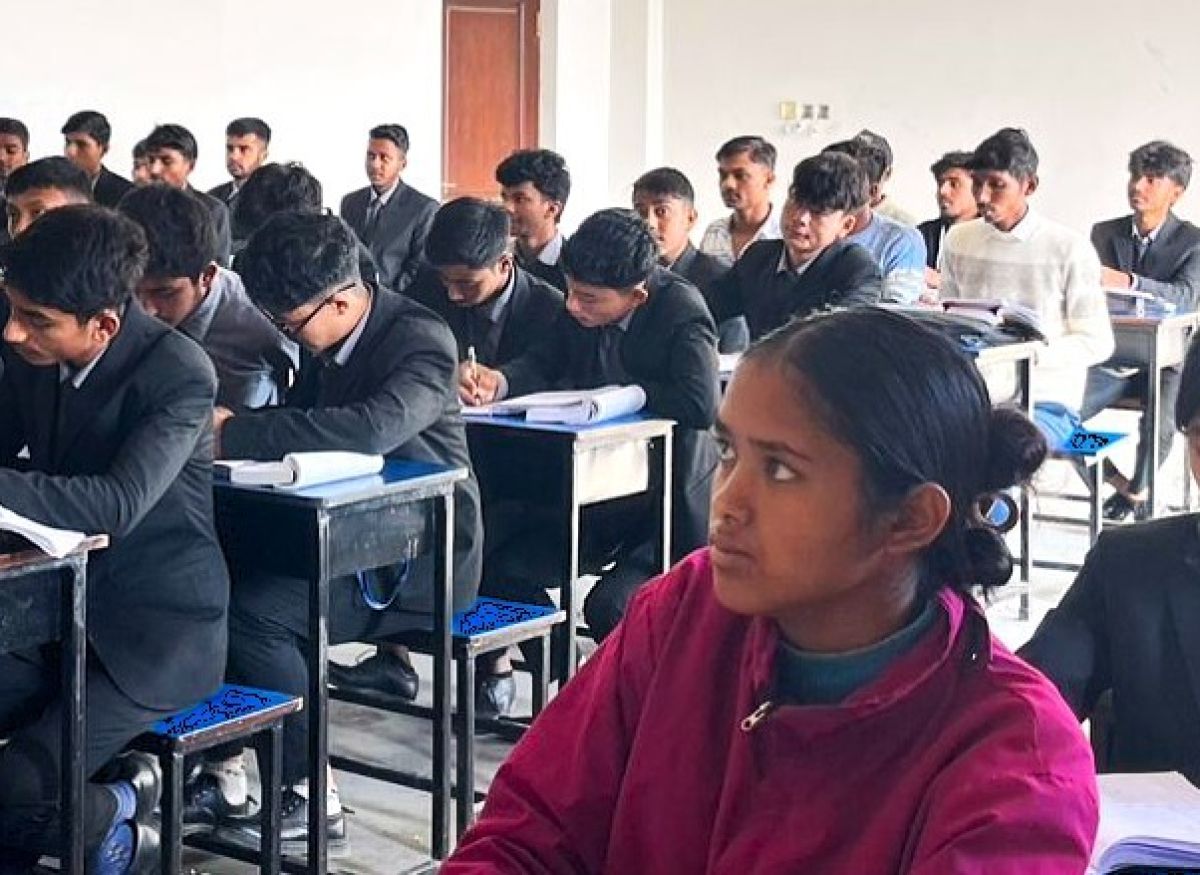
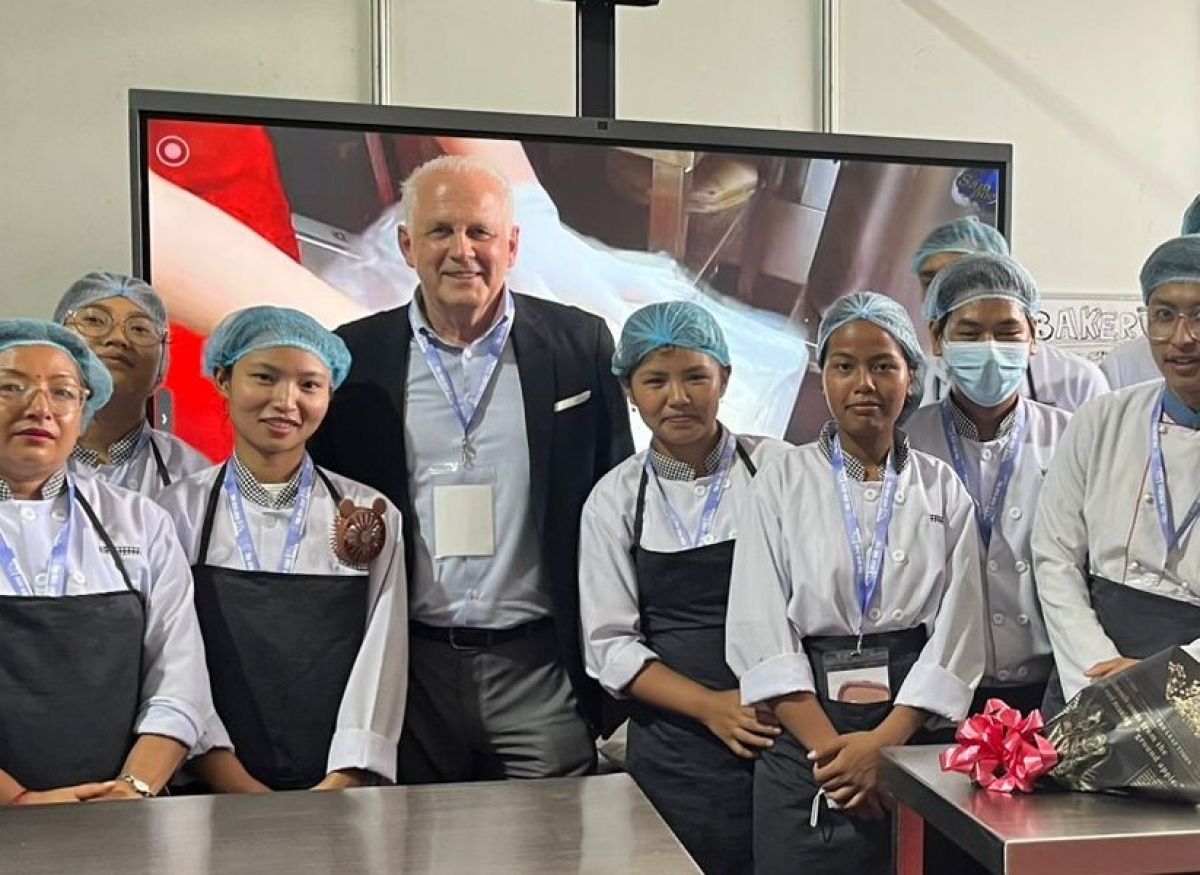
Together with our local project partners, our goal is to help young people develop reliable career prospects in their own country and find skilled employment in the local labour market. To this end, we strengthen existing public centres for technical education both structurally and in terms of content to improve the quality of technical education in a sustainable manner. In addition to technical qualifications, we promote entrepreneurial thinking, practical skills, and key soft skills—in short, improving the employability of young people is at the heart of our initiatives.

Another priority is providing continuing education for teaching staff to embed modern teaching approaches, labour market-oriented content, and practical training formats. In addition, we support infrastructure improvements at the training centres to ensure modern and conducive learning conditions.

Beyond the training phase, we actively support students as they transition into secure employment. By systematically building and maintaining a network of partner companies, we create concrete pathways into the labour market and strengthen sustainable integration into skilled employment.

In this way, we make a structural contribution to securing a skilled workforce, reducing poverty and promoting sustainable development.

We are currently in the final stages of selecting future partners and will shortly be launching the first projects with state-run centres for technical education.